
Last updated: January 2026
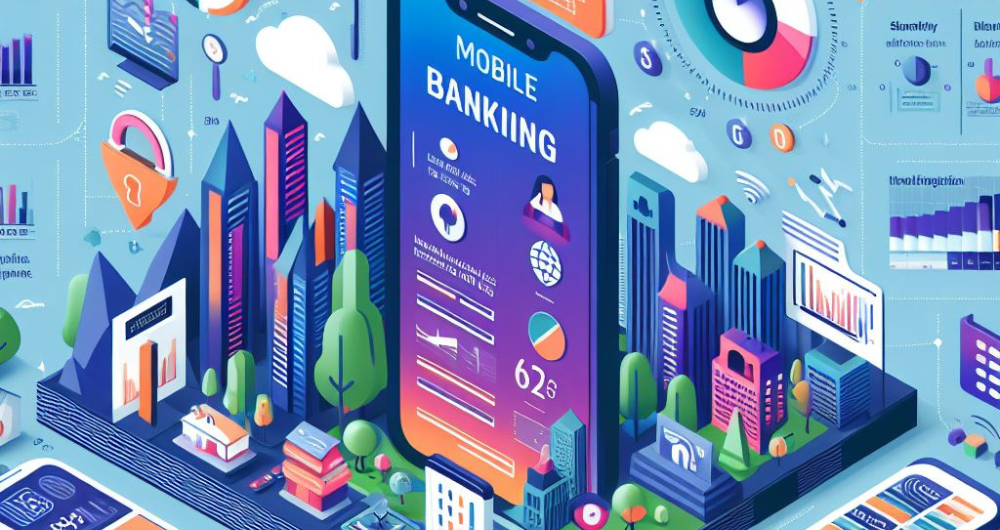
Mobile banking has undergone a profound transformation in just over a decade. What began as a limited service for checking balances or receiving account alerts has become one of the primary access points for financial services. Today, banking apps allow customers to make payments, manage financial products, track spending, and receive personalized recommendations, all from their smartphones.
Over time, mobile has moved from being a complementary channel to becoming one of the pillars of the relationship between banks and their customers. The demand for immediacy, ease of use, and increasingly personalized services has pushed financial institutions to expand the capabilities of their apps and integrate new technologies to improve the user experience.
In this context, mobile banking continues to evolve at high speed. The emergence of new technologies, the expansion of real-time payments, and the growing use of data to personalize customer engagement are redefining how financial institutions design their digital services. Analyzing these trends helps explain where mobile banking is headed and what opportunities are opening up for banks looking to strengthen their digital value proposition.
The current state of mobile banking
Mobile banking has become one of the main interaction channels between banks and their customers. In many markets, mobile apps already account for a large share of everyday banking activity, from checking account balances to making payments or applying for financial products.
This evolution has turned banking apps into true financial management hubs, where customers can monitor their financial activity in real time and access an increasingly broad range of services from their smartphones.
Some of the defining characteristics of today’s mobile banking landscape include:
- High customer adoption: The use of banking apps continues to grow worldwide. According to SQ Magazine, more than 2.17 billion people are estimated to use mobile banking. In addition, Storyly reports that up to 89% of banking customers use mobile apps to manage their finances.
- Stronger focus on security: The growth of mobile-based transactions has led banks to reinforce their protection systems. According to Fintech Futures, around 72% of consumers prefer biometric authentication over traditional passwords or PINs, reflecting the growing importance of security in digital financial services.
- More functionality within the app: Mobile banking apps have evolved beyond basic account management. According to The Codest, many banking apps now include features such as QR payments, cardless cash withdrawals, and predictive spending analysis, expanding the role of mobile as a personal financial management hub.
- Collaboration with fintechs and new digital services: Many financial institutions have established partnerships with fintech companies to expand the capabilities of their mobile apps. These collaborations make it possible to incorporate new digital services and accelerate the development of innovative features within banking apps.
- Greater attention to user experience: Customers expect intuitive interfaces, simple navigation, and personalized services that make it easier to manage their finances from a mobile device. According to Natech Banking Solutions, ease of use and digital experience have become key factors in mobile banking adoption and customer loyalty in digital financial services.
The current state of mobile banking reflects a dynamic and fast-evolving industry where innovation and customer focus are critical. For banking professionals, staying ahead of these developments is essential to designing strategies that align with consumer expectations and industry standards.
Key mobile banking trends in 2026
In recent years, several trends have emerged that are redefining the role of banking apps within the financial ecosystem. These trends affect both how banks develop their services and how customers interact with their financial institutions.
Below, we analyze some of the trends shaping the evolution of mobile banking today.
1. Real-time payments and their impact on mobile banking
Real-time payments have become one of the main drivers of mobile banking transformation. The ability to send money in seconds and receive immediate confirmation has changed customer expectations and is pushing banking apps toward faster, always-available financial experiences.
- In Latin America, real-time payments have become one of the most dynamic areas of the financial ecosystem, driven by instant payment systems developed by central banks. A prominent example is Pix in Brazil, which in 2025 already processes more than 6–7 billion transactions per month and moves more than 3 trillion reais monthly, consolidating its position as one of the most widely used real-time payment systems in the world.
- In Europe, real-time payments are also gaining weight within the financial system. Data from the European Central Bank indicates that in the first half of 2025, instant credit transfers already represented 23% of the total number of credit transfers in the euro area, reflecting growing adoption of this type of transaction within the digital payments ecosystem.
This growth is having a direct impact on the development of mobile banking apps. Customers expect to be able to send money, receive notifications, and check account activity instantly from their smartphone, leading banks to integrate real-time payment infrastructure and new app-based functionality to meet these expectations.
2. Hyper-personalization and real-time data analytics
As customers use banking apps more frequently, financial institutions gain access to more information about their consumption habits, spending patterns, and financial needs. Analyzing this data makes it possible to offer services and recommendations that are increasingly tailored to each user.
The use of data and advanced analytics is becoming one of the financial industry’s top priorities.
These strategies allow financial institutions to tailor offers to actual customer behavior and present products at the most relevant moment.
Real-time data analytics is also playing an increasingly important role within mobile banking apps.
In this context, hyper-personalization has become a key trend in mobile banking development. The combined use of transactional data analytics, artificial intelligence, and real-time processing enables banks to identify customer engagement opportunities and deliver more relevant communications through the banking app. This approach not only improves the user experience, but also increases the effectiveness of financial institutions’ communication and loyalty strategies.
3. Mobile banking as the center of customer communication
Through the banking app, financial institutions can send account activity alerts, confirm transactions, inform customers about financial products, or share personalized recommendations. The app is no longer used only to check balances or carry out transactions; it is also used to inform, alert, and guide customers throughout their day-to-day relationship with the bank.
This central role of the mobile channel is reflected in the digital banking experience itself.
In addition, in-app communication becomes more valuable when it is useful and timely.
Mobile banking is increasingly functioning as a continuous communication channel. Security alerts, account activity notifications, reminders, and personalized messages are all part of a more direct, immediate, and contextual relationship between the bank and the customer.
4. The impact of artificial intelligence on mobile banking
Beyond task automation or data analysis, AI is enabling new forms of interaction in which customers can communicate with their bank in a more natural, direct, and contextual way.
One of the most visible developments in this area is the evolution of conversational banking. Virtual assistants and messaging systems integrated into banking apps allow customers to request information, resolve questions, or perform certain transactions through conversations within the app itself.
This evolution is accelerating with the emergence of large language models (LLMs). These systems can understand complex queries, generate contextualized responses, and manage more natural conversations with users.
At the same time, artificial intelligence is becoming increasingly relevant in the analysis of interactions and transactional data. The automated processing of transactions, spending patterns, and financial events makes it possible to detect situations that are relevant to the customer and trigger more contextual communications within the banking app.
The adoption of these systems also raises important challenges related to privacy, data usage, and information governance. Language models are trained on large volumes of data, which makes it essential to establish strict controls over the information used during that process and over how sensitive customer and organizational data is managed.
5. Mobile-first strategy and the evolution of digital banking
Instead of designing digital services first for the web or for traditional channels, banks are increasingly designing products and processes directly for the mobile environment. This affects both technology development and the way financial services are conceived.
This shift is largely a response to competitive pressure from neobanks and digital-first institutions, which have built their entire value proposition around the smartphone. Account opening, product applications, and everyday financial management are completed through mobile experiences designed to reduce friction and waiting times.
For traditional banks, adopting a mobile-first strategy means redesigning many internal processes and digital systems. It is not just a matter of adapting existing services to a smaller screen, but of rethinking the architecture of digital channels so that mobile becomes the central point of customer interaction.
6. Cybersecurity and customer data protection
Banking apps handle sensitive information, personal data, and financial transactions, making them one of the main targets for digital fraud and cyberattacks.
To address this environment, banks have strengthened security measures within their mobile apps. Multi-factor authentication, biometrics, end-to-end encryption, and behavior-based fraud detection systems are now common components of mobile banking security architecture.
In addition to technology measures, data protection has become a key element of the regulatory framework for the financial industry. In the United States, requirements and expectations related to customer information, cybersecurity, operational resilience, and third-party risk management continue to shape how banks handle, store, and protect customer data. Internationally, regulations such as GDPR in Europe and other banking-specific frameworks also require financial institutions to apply strict controls over data processing, storage, and access.
The challenge for banks is to balance security and user experience. Protection mechanisms must be robust enough to prevent unauthorized access, while also being integrated naturally into the digital experience so they do not create unnecessary friction in app usage.
7. Open banking, BaaS, and fintech collaboration
The evolution of mobile banking is also being driven by changes in how financial institutions develop and integrate digital services. More banks are adopting open banking and banking-as-a-service models, which allow financial capabilities to be exposed through APIs and connected to third-party applications and platforms.
This approach facilitates the integration of financial services into broader digital ecosystems and allows banks to expand the capabilities of their mobile apps without needing to build every feature internally.
These models are also driving the growth of embedded finance, where financial services such as payments, financing, or digital accounts are incorporated directly into non-banking applications.
In practice, many financial institutions are choosing to collaborate with fintech companies to accelerate innovation within their mobile apps. These collaborations make it possible to incorporate new functionality faster, from digital payment solutions to personal financial management tools or digital identity services.
This model is contributing to the creation of more open financial ecosystems, where different players in the sector collaborate to offer increasingly complete digital services within banking apps.
8. Financial ecosystems and the shift toward super-app models
The opening of financial infrastructure is also driving the evolution of banking apps toward broader digital ecosystem models.
More financial institutions are expanding the capabilities of their mobile apps to integrate different services within a single platform. In this way, users can access payments, transfers, personal financial management, product applications, and additional digital services from the same app.
This evolution is giving rise to the concept of the banking super app, where a single application brings together multiple digital services. This model is particularly advanced in Asia, where several financial platforms function as access points to both financial and non-financial services within the same digital environment.
For financial institutions, this transformation represents an important strategic shift. The mobile app is no longer only a channel for financial transactions; it has become a platform through which different digital services are orchestrated within a single ecosystem.
Challenges and opportunities for advanced mobile banking solutions
The advance of mobile banking is creating new possibilities for banks, but it is also raising the level of technical, regulatory, and operational demands.
As mobile gains weight in the customer relationship, financial institutions must respond to an environment where immediacy, personalization, and security are no longer perceived as differentiators, but as baseline expectations.
Challenges
- Cybersecurity and data protection: Banking apps concentrate financial transactions and sensitive data, making them one of the main targets for digital fraud and cyberattacks. Financial institutions must continuously reinforce their protection systems, incorporate advanced authentication mechanisms, and ensure the security of transactions carried out from mobile devices.
- Regulatory compliance: The financial industry’s regulatory framework continues to evolve. In the United States, banks must respond to increasing supervisory expectations around cybersecurity, consumer protection, operational resilience, third-party risk, privacy, and data governance. In Europe, regulations such as DORA are reinforcing digital operational resilience requirements and requiring institutions to improve technology risk management and continuity of digital services.
- Technology integration and legacy modernization: Many financial institutions still operate with complex technology infrastructures or legacy systems. Integrating new capabilities such as artificial intelligence or real-time analytics into these architectures may require significant investment and gradual transformation programs.
- Designing intuitive mobile experiences: As banking apps incorporate more functionality, maintaining a clear and simple user experience becomes more complex. Banks must balance the addition of new services with intuitive interfaces that allow customers to manage their finances without friction.
- Accessibility and user diversity: Mobile apps must be usable by very different customer profiles, including people with different levels of digital familiarity or accessibility needs. Regulatory and market expectations increasingly reinforce the importance of designing inclusive digital services.
Opportunities
- Strengthening digital trust: Investment in security, biometric authentication, fraud detection, and technology resilience can become a differentiating factor for banks that are able to deliver secure digital services without compromising ease of use.
- Data- and AI-driven personalization: Transactional data analysis and artificial intelligence make it possible to identify behavior patterns and offer services that are more closely aligned with each customer’s needs. This creates new opportunities to improve the in-app experience and increase loyalty.
- Fintech collaboration and service expansion: The evolution of open banking and BaaS platforms is facilitating the integration of fintech-developed services within banking apps. These collaborations make it possible to accelerate innovation and expand the digital service offering.
- Development of broader financial ecosystems: Banking apps are evolving into platforms that integrate different digital services within a single environment. This approach can increase app usage frequency and strengthen the day-to-day relationship between the bank and the customer.
- Improving financial inclusion: The expansion of mobile services makes it possible to reach users who previously had limited access to traditional banking services, facilitating access to payments, savings, or financing through mobile devices.
By addressing these challenges directly and exploring the opportunities they create, banks can improve their mobile banking offerings and redefine the banking experience for their customers, paving the way for a more inclusive, secure, and customer-centered future in banking.
Predictions for the future of mobile banking
The recent evolution of mobile banking shows that the smartphone will remain the primary access point for financial services. As banking apps continue to expand their functionality and their role within the digital ecosystem, the mobile channel is likely to further strengthen its position as the core of the relationship between banks and customers.
Based on current trends, several lines of evolution appear clear for the coming years.
Artificial intelligence and more proactive financial experiences
Artificial intelligence will play an increasingly important role in the evolution of mobile banking. Advanced analytics systems and language models will improve customer interactions, automate processes, and provide financial recommendations that are more closely aligned with each user’s context.
This could lead to apps capable of anticipating needs and offering information or services at relevant moments, moving toward more proactive banking models.
Banking apps as broader financial platforms
The integration of external services through open banking, BaaS, and fintech partnerships will continue to expand the capabilities of banking apps.
This process will make it possible to incorporate new services into apps, from financial management tools to third-party products, transforming banking applications into more complete financial platforms within the digital ecosystem.
Immediacy as a standard in financial services
The development of real-time payments and instant transfers will continue to reinforce the expectation of immediacy in financial services.
Customers will expect to carry out transactions, receive confirmations, and check their financial activity instantly from mobile devices, which will continue to drive the technological evolution of banking apps.
Expansion of the banking interaction ecosystem
Although the smartphone will remain at the center of the experience, connected devices could expand the points of interaction with financial services.
Technologies such as the Internet of Things and wearables — smartwatches, voice assistants, or connected home devices — may become complementary channels for receiving financial notifications, validating certain transactions, or accessing banking information in context.
Security and data governance as strategic priorities
As digital financial services become more complex, security and responsible data management will remain critical factors.
Banks will need to reinforce their protection systems, improve authentication mechanisms, and ensure the appropriate use of customer information to maintain trust in digital services.
Overall, mobile banking is expected to continue evolving toward more integrated, personalized, and customer-centered models. Financial institutions that successfully combine technological innovation, security, and a strong digital experience will be better positioned to meet customer expectations in an increasingly digital financial environment.
Mobile is a core pillar of the financial business
The evolution of mobile banking in recent years has turned financial apps into one of the main points of contact between institutions and their customers. For many users, mobile is now the channel they use to check accounts, make payments, receive alerts, and manage much of their everyday financial activity.
In this context, the ability to deliver agile, personalized, and real-time connected experiences has become a differentiating factor for financial institutions. Solutions like those developed by Latinia enable banks such as CaixaBank, Banco Sabadell, and other financial institutions to strengthen their mobile strategy through contextual communications, real-time alerts, and decisioning engines capable of leveraging transactional data to improve the customer’s digital experience.
Conclusion
Mobile banking will continue to evolve, driven by immediacy, personalization, artificial intelligence, and the integration of new digital services. For financial institutions, the challenge is no longer simply to offer more functionality, but to build experiences that are useful, secure, and relevant to customers.
The ability to analyze data in real time and trigger timely communications is becoming a key differentiator. Institutions that can combine technological innovation, personalization, and effective communication will be better prepared to compete in an increasingly digital financial environment.
In this context, Latinia emerges as a strategic partner for banks that aim to lead in mobile banking. With advanced real-time analytics and decisioning engines, Latinia gives banks the tools they need to deliver highly personalized banking experiences, make instant data-driven decisions, and significantly improve customer engagement. Our solutions are designed to help banks exceed the expectations of today’s consumers, paving the way for a future in which banking is seamless, secure, and deeply integrated into customers’ everyday lives.

For banks looking to stay ahead in this dynamic environment, partnering with Latinia offers a strategic advantage. We invite you to explore how our innovative solutions can transform your mobile banking services and help you stay ahead of the industry. Contact us or request a demo today to learn more about how Latinia can help your bank confidently navigate the future of mobile banking.